Advanced Stem Cell Research. Contact us hello@RetroXell.com

Understanding Stem Cells: The Foundation of Biological Restoration
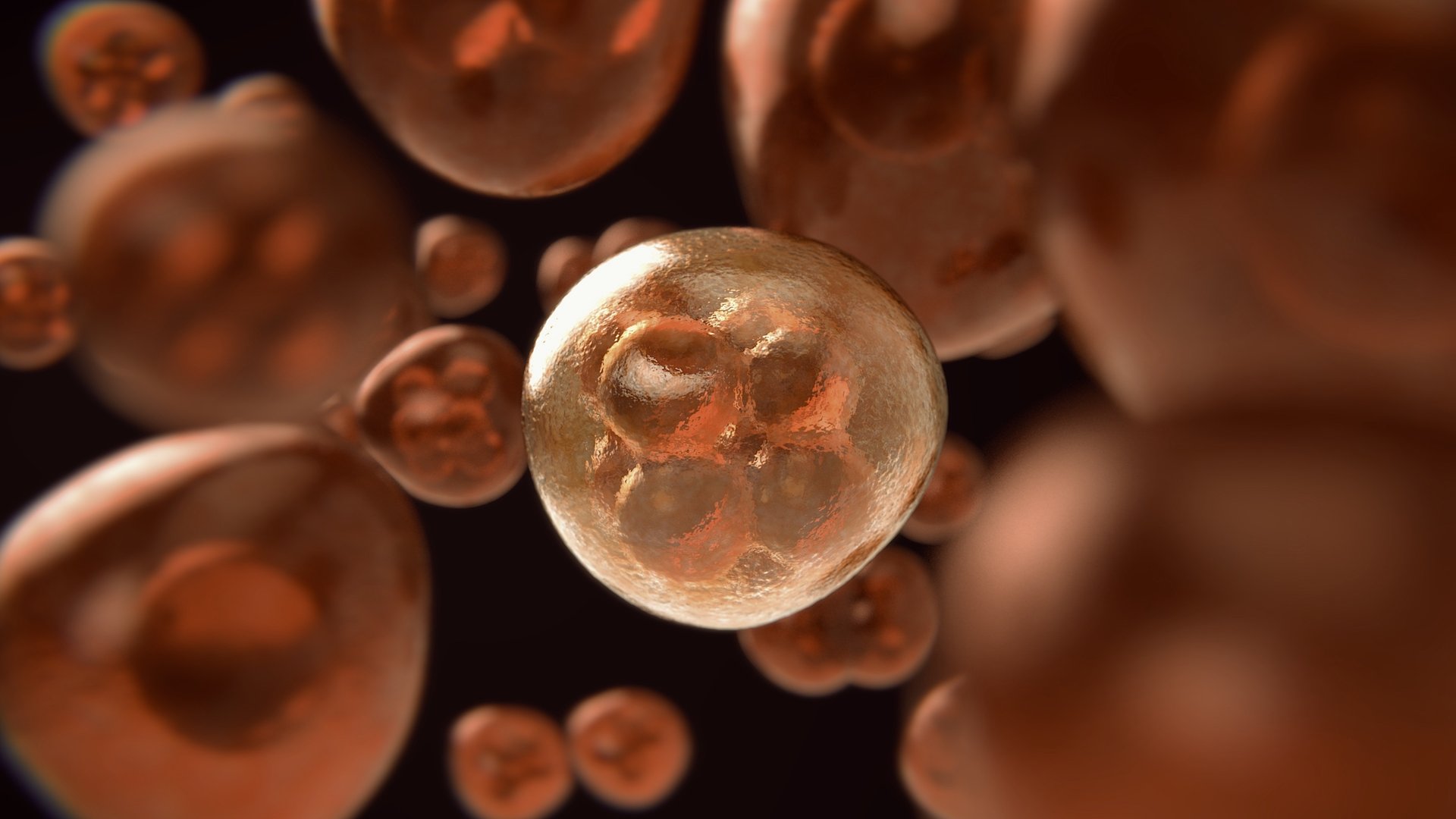
Stem cells are the primary building blocks of the human body, possessing the unique ability to develop into every tissue type. They represent a revolutionary frontier in tissue regeneration and repair due to their specialized biological properties.
11/10/2025
The Two Defining Characteristics
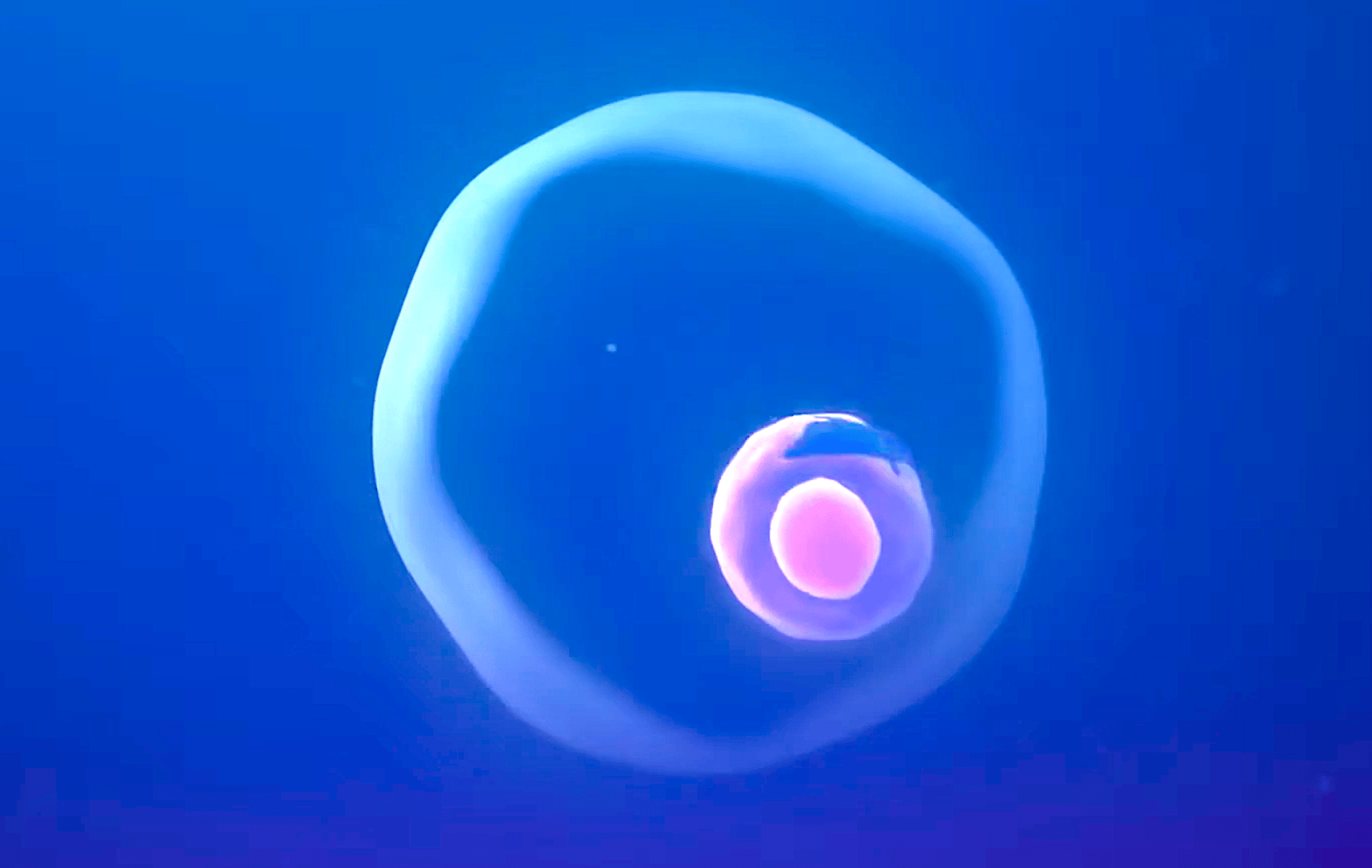
To be classified as a stem cell, a cell must exhibit two essential traits:
Perpetual Self-Renewal: The ability to divide indefinitely to produce new cells that are identical to the original. Unlike the uncontrolled division seen in cancer, stem cell renewal is a highly regulated process.
Specialized Differentiation: The ability to give rise to specialized adult cell types that become functional parts of a healthy organism.
The Hierarchy of Stem Cells: Pluripotent vs. Multipotent
While stem cells are often categorized by their source (such as "embryonic" or "adult/somatic"), modern research distinguishes them more accurately by their biological potential:
Pluripotent Stem Cells: Often called the "master cells," these have the unlimited potential to differentiate into all 200+ cell types in the body. In natural development, they exist briefly in the early embryo before evolving into more specialized roles.
Multipotent Stem Cells: These are more restricted descendants of pluripotent cells. They are specialized to become cells within a specific lineage or tissue type, such as the various cells found in the blood, bone, or nervous system.
The Four Fates of a Stem Cell
Understanding how a stem cell decides to divide or transform is a primary focus of advanced research. There are four potential outcomes, or "fates," for these cells:
Quiescence: The cell remains dormant, maintaining the stem cell pool without dividing until it receives an activating signal from the body.
Symmetric Self-Renewal: The cell divides into two identical daughter stem cells. This increases the total pool of available healing potential.
Asymmetric Self-Renewal: The cell divides into one identical stem cell and one specialized "progenitor" cell. This maintains the stem cell pool while simultaneously generating the specialized cells needed for repair.
Symmetric Differentiation: The cell divides into two specialized daughter cells. This results in a net loss of the stem cell pool but creates a large amount of differentiated tissue for immediate restoration.
Clinical Potential and Future Research
The ability to manipulate these "fates" is clinically vital. By directing a cell population to undergo symmetric self-renewal before differentiation, researchers can create large, uniform populations of high-potency cells. This ensures that the cellular options delivered for tissue regeneration are at the optimal stage for success.
While the potential for repair and regeneration is immense, ongoing research continues to explore the complex biology, manipulation, and safety of these cells to unlock their full therapeutic power for human health.
Where Advanced Biotechnology Meets Premium Clinical Execution
At RETROXELL, we provide a sophisticated ecosystem built entirely on scientific transparency, strict cGMP compliance, and clinical excellence. Our platform seamlessly blends elite laboratory research with a high-end, supportive medical network. By ensuring that every partner laboratory operates under the highest international isolation and purification standards, we guarantee that our medical solutions are as safe as they are biologically transformative.