Advanced Stem Cell Research. Contact us hello@RetroXell.com

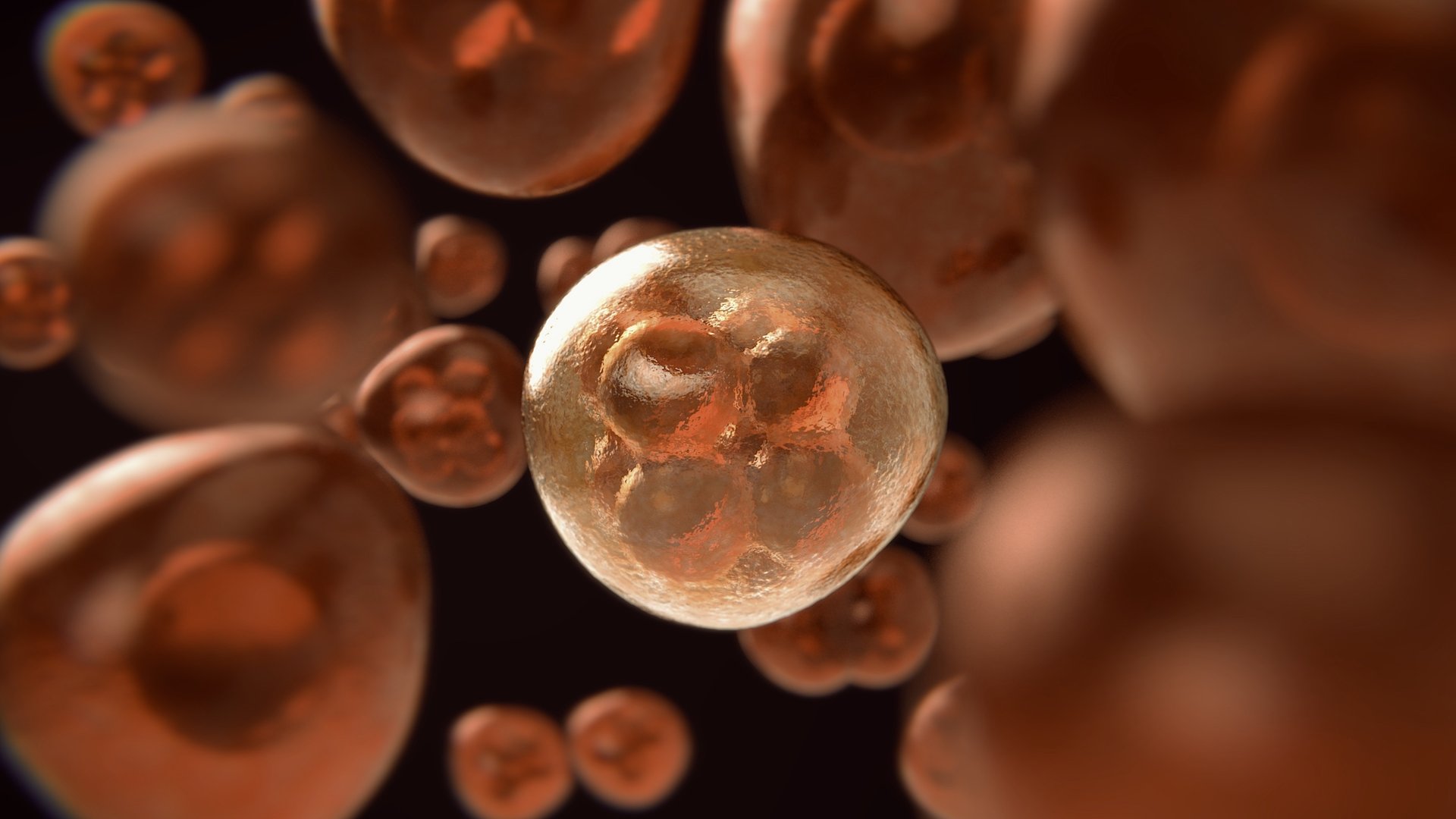
Halting Pulmonary Fibrosis: Restoring Respiratory Architecture with RetroXell’s Advanced Cellular Systems
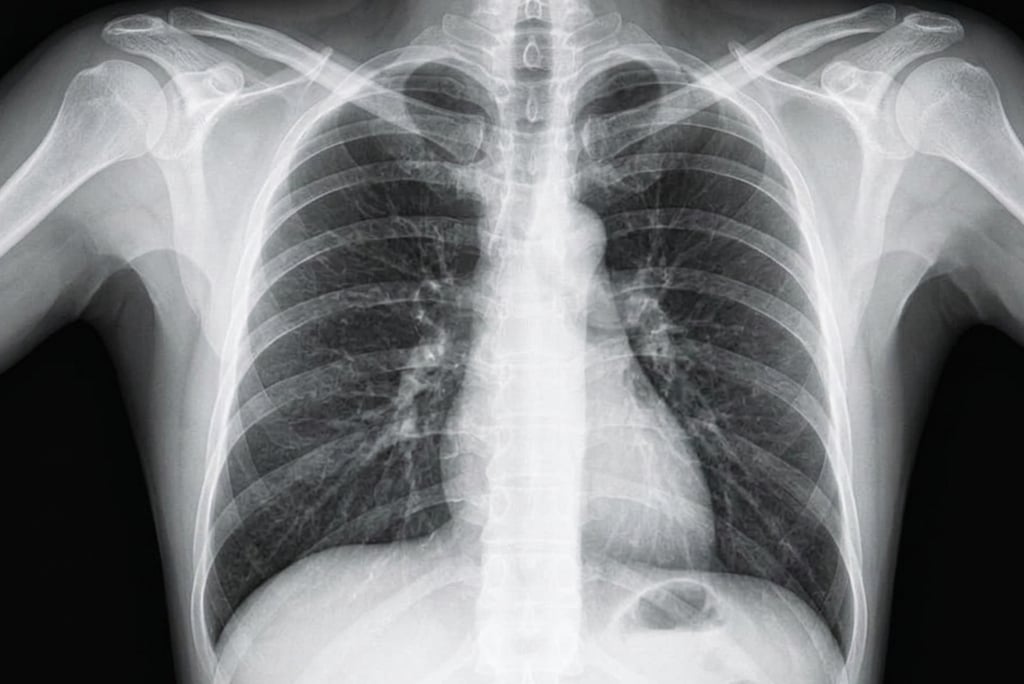
Pulmonary Fibrosis is a severe, progressive disease characterized by the scarring (fibrosis) of delicate lung tissue. As healthy alveoli are replaced by thick, rigid scar tissue, the lungs lose their ability to transfer vital oxygen into the bloodstream. Conventional pulmonary medicine relies primarily on antifibrotic medications that merely slow down the decline, or channels patients toward a lung transplant.
At RetroXell, we view pulmonary fibrosis through the lens of precision biological engineering. By integrating our advanced Pluripotent Stem Cells (PSCs) with our proprietary Stem X Optimization Protocol, we actively target the inflammatory and fibrotic pathways destroying lung architecture. Our clinical goal is to suppress tissue scarring, promote new microvascular growth, and restore body-wide oxygenation.
The Three Core Destructive Realities of Pulmonary Fibrosis
To permanently interrupt fibrotic decline and restore respiratory independence, a therapeutic protocol must confront three parallel system breakdowns:
Progressive Architectural Scarring: The ongoing scarring of alveolar walls causes a persistent, dry hacking cough, shallow breathing, and severe shortness of breath—even while at rest—as the lungs physically struggle to expand.
Hypoxia-Driven Chronic Fatigue: Deep tissue oxygenation plummets as lung elasticity drops. This systemic oxygen starvation leaves individual cells unable to generate energy, triggering overwhelming fatigue, chronic muscle weakness, and joint aches.
Secondary Organ Degradation: Prolonged, low oxygen perfusion impairs the immune system and inflicts cascading damage across all 220+ tissues of the body, accelerating the decline of cardiovascular, renal, and digestive health.
The RetroXell Pluripotent Advantage: Reversing the Fibrotic Switch
Standard regenerative therapies utilizing limited adult stem cells (such as bone marrow or fat tissue) lack the complex signaling profile required to halt aggressive tissue scarring. RetroXell utilizes Pluripotent Stem Cells—the highest performance master cells in cellular medicine.
Because PSCs maintain an unrestricted differentiation blueprint, they do not just provide temporary anti-inflammatory support. They deliver a potent matrix of anti-fibrotic elements, angiogenic growth factors, and specific microRNAs that cross deep tissue barriers to signal the genes governing cellular division and tissue remodeling—offering the cellular instructions needed to break down rigid scar tissue and regenerate healthy alveolar structures.
Phases of Respiratory Restoration: How You Benefit
Our targeted protocol orchestrates pulmonary recovery across three sequential biological phases, shifting your physiology away from progressive scarring and toward lasting cellular renewal.
Phase 1: Quenching Alveolar Inflammation & Halting Destructive Cycles
The immediate priority of the RetroXell protocol leverages the Stem X framework to instantly cool the hyper-inflammatory lung microenvironment.
Resetting Immune Reactivity: PSCs and their high-potency exosomes release specialized transcription factors that shift alveolar immune cells away from destructive TH1 autoimmune reactivity.
Stopping the Scarring: Combined with our targeted biological purification and detoxification IVs, this phase halts the continuous enzymatic destruction of lung tissue, arresting the fibrotic process in its tracks to establish a clean foundation for cellular repair.
Phase 2: Angiogenesis & Restoring Oxygen Capture
As the internal environment of the lungs stabilizes (typically observed after the initial targeted deployment phase), the cells initiate deep structural tissue remodeling.
Neovascularization: The delivery of potent angiogenic (blood vessel-forming) factors stimulates the growth of fresh capillary networks around the alveoli, increasing the lungs' capacity to capture and transfer oxygen.
The Sensation of 'Coming Back': As oxygen saturation in the blood stabilizes, the cellular energy vacuum is resolved. Patients report a palpable surge in baseline energy, improved physical strength, sharper cognitive function, and a significant easing of the chronic, hacking cough.
Phase 3: Deep Tissue Regeneration & Multi-Organ Recovery
Because pluripotent stem cells carry a universal repair blueprint, their therapeutic signaling extends systemically to heal the damage caused by years of chronic oxygen deprivation.
Whole-Body Perfusion: The cells travel systemically to repair secondary organ damage across the body.
Comprehensive Rejuvenation: Over time, patients experience progressive improvements in cardiovascular efficiency, circulation, and digestive vitality. As total organ perfusion returns to a younger biological state, day-to-day dependence on supplemental oxygen is steadily reduced.
Your Tailored Architecture for Lasting Vitality
Every profile of pulmonary decline requires precise, individualized orchestration. At RetroXell, every international patient undergoes an intensive baseline diagnostic evaluation to construct a highly personalized timeline—typically spanning 2 to 5 weeks—engineered for optimal cellular integration, absolute safety, and long-term therapeutic efficiency.
Do not settle for merely watching your lung capacity shrink. Step into the future of biological engineering and allow your body to rebuild the foundation of its own breath.
Where Advanced Biotechnology Meets Premium Clinical Execution
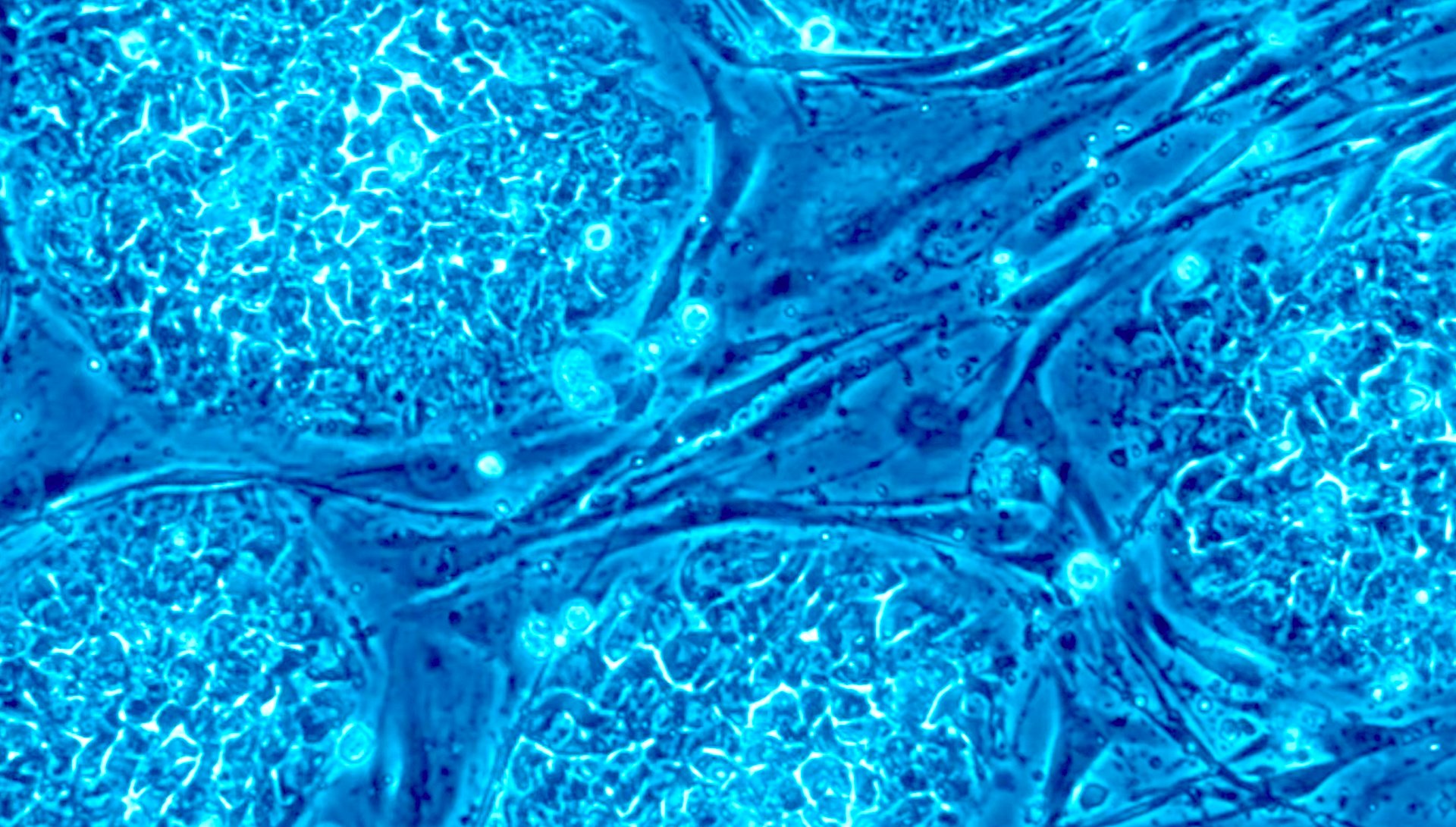
At RETROXELL, we provide a sophisticated ecosystem built entirely on scientific transparency, strict cGMP compliance, and clinical excellence. Our platform seamlessly blends elite laboratory research with a high-end, supportive medical network. By ensuring that every partner laboratory operates under the highest international isolation and purification standards, we guarantee that our medical solutions are as safe as they are biologically transformative.