Advanced Stem Cell Research. Contact us hello@RetroXell.com

Re-Engineering Neural Pathways: Overcoming Nerve Damage with RetroXell’s Advanced Cellular Systems
An estimated 75 to 150 million people in the United States alone live with the debilitating effects of nerve damage. Known clinically as neuropathy, nerve damage can be triggered by traumatic injury, metabolic imbalances (such as diabetes), autoimmune disorders, or the bioaccumulation of neurotoxic substances. When nerve fibers fray, their ability to transmit clear electrical signals degrades, trapping patients in a cycle of chronic pain and progressive physical limitation.
Standard neurological approaches predominantly rely on pharmaceutical interventions—such as gabapentinoids or opioids—that merely numb sensory perception while failing to address the underlying axonal degradation.
At RetroXell, we approach neuropathy through the framework of advanced bioengineering. By pairing our premier Pluripotent Stem Cells (PSCs) with our proprietary Stem X Optimization Protocol, we target both peripheral and central nerve damage at the source. Our clinical objective is to quench neuroinflammation, stimulate axonal regeneration, and restore seamless neural communication throughout the body.
The Three Destructive Dimensions of Neuropathy
To permanently interrupt the progression of nerve damage and restore sensory and motor autonomy, a clinical protocol must systematically confront three parallel systemic breakdowns:
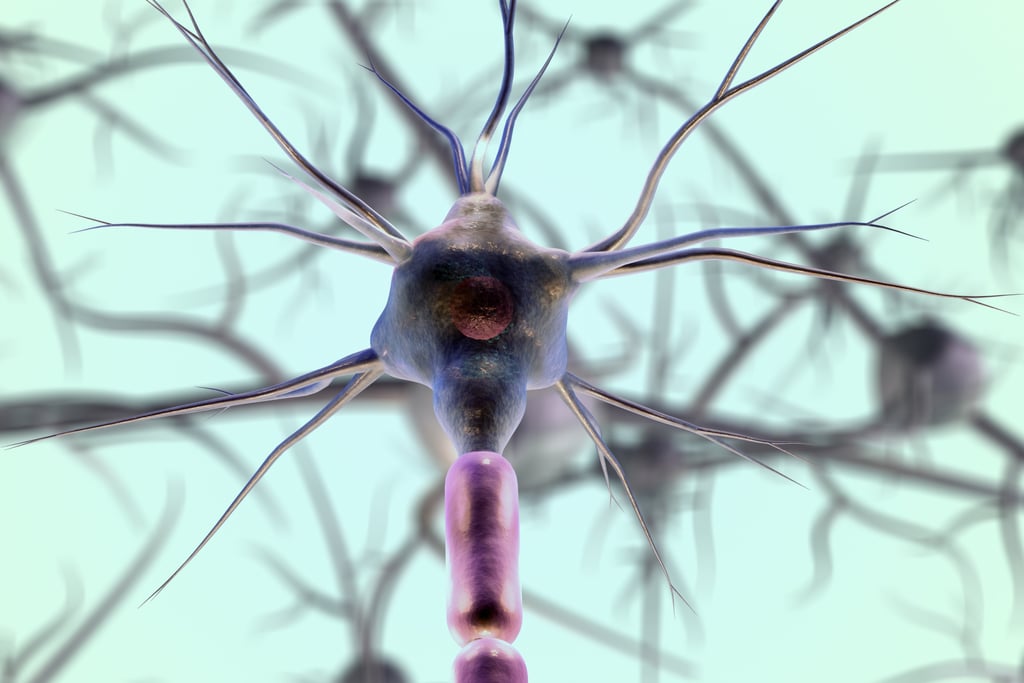
Axonal Fraying & Sensory-Motor Deficits: As the protective myelin and underlying axon erode, the transmission of vital signals becomes corrupted. This manifests as localized muscle weakness, burning pain, persistent tingling, and a loss of proprioception (position sense), which drastically compromises balance and mobility.
Neuroinflammatory Toxin Accumulation: In a frustrated attempt to repair neural pathways, the localized immune system triggers chronic, low-grade inflammation. This sustained immune reactivity traps neurotoxins around the lesion site, accelerating tissue decay and intensifying chronic pain loops.
Autonomic Network Failure: When nerve damage extends to the autonomic nervous system, critical involuntary functions collapse. Patients face severe visceral complications, including dysphagia (difficulty swallowing), gastrointestinal motility issues, volatile blood pressure regulation, and compromised internal temperature control.
The RetroXell Pluripotent Advantage
Traditional regenerative clinics frequently utilize adult multipotent stem cells (such as bone marrow or adipose-derived mesenchymal cells). While these cells offer mild, short-term anti-inflammatory support, they are limited specialists that lack the necessary baseline plasticity to effectively differentiate into complex neural architectures.
RetroXell utilizes Pluripotent Stem Cells—the highest performance master cells in cellular medicine. Because PSCs maintain an unrestricted differentiation profile, they possess the precise evolutionary code required to cross deep tissue barriers, secrete essential neurotrophic factors, and directly signal the genes regulating cellular division, axonal sprouting, and myelin repair.
Phases of Neural Restoration: How You Benefit
Our targeted protocol orchestrates neurological recovery across three sequential biological phases, shifting your nervous system away from chronic fraying and toward systemic renewal.
Phase 1: Quenching Neuroinflammation & Clearing Toxins
The immediate phase of the RetroXell protocol leverages the Stem X framework to interrupt the cycle of chronic inflammatory degradation.
Neutralizing the Inflammatory Cascade: PSCs and their high-potency exosomes deliver targeted transcription factors that modulate overactive microglial and macrophage pathways, halting the localized immune responses that irritate nerve roots.
Detoxifying the Neural Matrix: By encouraging the clearance of bioaccumulated toxins and reducing localized swelling, the protocol immediately relieves mechanical pressure on compromised nerve fibers.
Phase 2: Axonal Regeneration & Sensation Normalization
As the microenvironment around the nerves stabilizes, the protocol activates deep structural tissue remodeling.
Stimulating Neurogenesis: The introduction of PSCs triggers a robust release of nerve growth factors (NGFs) and neurotrophic peptides. This signals the repair of frayed axonal fibers and encourages the growth of new neural connections.
Restoring Clear Signaling: As the structural integrity of the nerve is restored, faulty pain loops begin to correct. The sharp, radiating pain, persistent numbness, and debilitating tingling typical of neuropathy steadily wane.
Phase 3: Autonomic Harmony & Reclaiming Quality of Life
Because pluripotent stem cells operate systemically, their benefits extend to the complex autonomic and motor networks compromised by long-term nerve damage.
Regulating Involuntary Functions: The protocol works to repair autonomic pathways, gradually stabilizing volatile blood pressure, normalizing internal temperature control, and resolving deep-seated digestive and swallowing issues.
Unrestricted Autonomy: As proprioception and motor strength return, patients report a profound restoration of balance, physical stamina, and daily independence—allowing them to reduce their reliance on palliative medications and comfortably return to an active lifestyle.
A Comprehensive, Longitudinal Strategic Masterplan
Complex neurological restoration cannot be achieved with superficial, one-off treatments. True neural regeneration requires precision, structural support, and time. While your intensive clinical applications take place during a structured 2 to 5 week international residency, your biological roadmap includes a comprehensive 6-month longitudinal support phase to maximize long-term therapeutic efficiency and lock in your cellular gains. Every candidate receives a completely customized timeline engineered to match their exact clinical presentation and epigenetic profile.
Reclaim the crisp, uninhibited neural baseline your body was architected to command.
Where Advanced Biotechnology Meets Premium Clinical Execution
At RETROXELL, we provide a sophisticated ecosystem built entirely on scientific transparency, strict cGMP compliance, and clinical excellence. Our platform seamlessly blends elite laboratory research with a high-end, supportive medical network. By ensuring that every partner laboratory operates under the highest international isolation and purification standards, we guarantee that our medical solutions are as safe as they are biologically transformative.